
Why International Buyers Choose Indonesian Furniture Suppliers
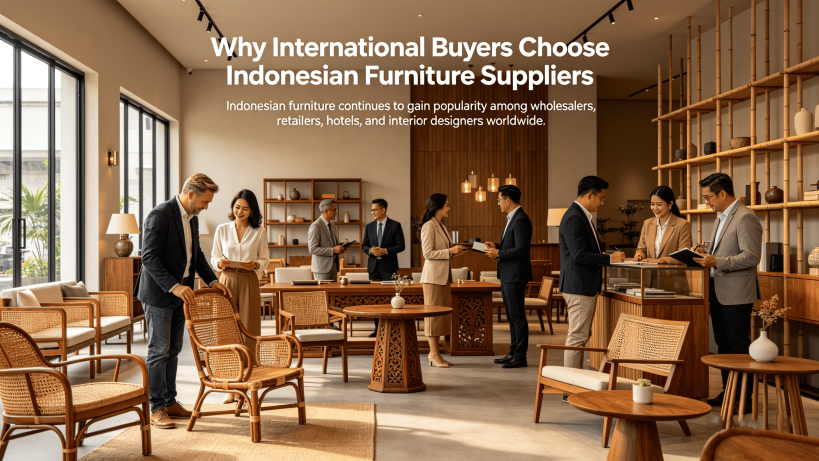
Indonesia's Strong Position in the Global Furniture Industry
Indonesia is among the largest furniture-producing countries in Southeast Asia and exports furniture to more than 100 countries worldwide.
The country's furniture industry includes:
- Large-scale export manufacturers
- Medium-sized production facilities
- Artisan workshops
- Specialized custom furniture producers
This diversity enables buyers to source products across a wide range of styles, materials, and price points.
Indonesia's furniture sector continues to grow due to increasing international demand for sustainable, handcrafted, and high-quality furniture products.
Rich Tradition of Furniture Craftsmanship
One of Indonesia's greatest strengths is its long-standing furniture-making tradition.
For generations, Indonesian craftsmen have developed advanced woodworking skills that combine traditional techniques with modern manufacturing processes.
Unlike mass-produced furniture found in many markets, Indonesian furniture often reflects a high level of craftsmanship and attention to detail.
This expertise is particularly visible in:
- Hand-carved furniture
- Solid wood furniture
- Hospitality furniture
- Custom-made furniture
- Luxury furniture collections
Many manufacturers employ artisans whose skills have been passed down through multiple generations.
As a result, buyers frequently choose Indonesia when seeking products that require precision craftsmanship and distinctive character.
Access to Premium Hardwood Materials
Indonesia is home to several highly valued timber species used in furniture manufacturing.
Popular materials include:
Teak Wood
Teak is widely considered one of the best woods for furniture production.
Benefits include:
- Exceptional durability
- Natural weather resistance
- Attractive grain patterns
- Long service life
Teak furniture is especially popular for outdoor applications.
Mahogany
Mahogany offers:
- Rich color
- Excellent workability
- Elegant appearance
- Strong structural properties
It is commonly used for indoor furniture and decorative pieces.
Suar Wood
Suar wood is increasingly popular for:
- Live-edge tables
- Statement furniture
- Contemporary designs
Its distinctive grain patterns create unique products that appeal to premium buyers.
Mindi Wood
Mindi wood provides:
- Lightweight construction
- Smooth finishing
- Attractive pricing
It is often used in residential furniture collections.
Competitive Manufacturing Costs
While quality remains a major advantage, Indonesia also offers competitive manufacturing costs compared to many Western countries.
Factors contributing to cost competitiveness include:
- Skilled labor availability
- Established furniture production clusters
- Local material sourcing
- Strong supplier networks
Importantly, buyers often find that Indonesia provides a favorable balance between price and quality.
Rather than competing solely on low-cost production, Indonesian manufacturers often focus on delivering higher value through craftsmanship and material quality.
Extensive Experience in Furniture Exports
Many Indonesian manufacturers have decades of experience serving international markets.
Export-oriented factories are familiar with:
- International quality standards
- Packaging requirements
- Container optimization
- Export documentation
- Buyer compliance requirements
This experience reduces sourcing risks and simplifies the purchasing process for overseas buyers.
Suppliers that regularly export furniture often possess a deeper understanding of customer expectations and logistical requirements.
Strong Capabilities in Custom Furniture Production
One reason many buyers prefer Indonesia is the country's flexibility in custom manufacturing.
Unlike highly standardized mass-production environments, many Indonesian factories are willing to accommodate:
- Custom dimensions
- Unique designs
- Special finishes
- Project-specific requirements
- Private label programs
This flexibility is particularly attractive for:
- Interior designers
- Boutique furniture brands
- Hotel projects
- Commercial developments
Custom production allows buyers to differentiate their product offerings and create unique collections.
Wide Variety of Furniture Styles
Indonesia offers an impressive range of furniture styles that appeal to different markets and customer segments.
Popular categories include:
Contemporary Furniture
Modern and minimalist designs for residential and commercial use.
Rustic Furniture
Natural materials and handcrafted details create a warm, authentic appearance.
Scandinavian-Inspired Furniture
Clean lines and functional designs remain popular in global markets.
Tropical Furniture
Products that reflect Indonesia's rich natural environment and craftsmanship traditions.
Hospitality Furniture
Custom furniture solutions for hotels, resorts, restaurants, and commercial projects.
This variety allows buyers to source multiple product categories from a single country.
Sustainability and Responsible Sourcing
Environmental responsibility has become increasingly important for international buyers.
Many Indonesian manufacturers now support sustainable sourcing initiatives through certifications such as:
FSC (Forest Stewardship Council)
Demonstrates responsible forest management and sustainable timber sourcing.
SVLK (Timber Legality Assurance System)
Verifies legal timber sourcing and export compliance.
These certifications help buyers meet customer expectations and regulatory requirements while supporting responsible forestry practices.
Strategic Location for International Shipping
Indonesia's location provides access to major international shipping routes.
Key export ports include:
- Tanjung Emas (Semarang)
- Tanjung Perak (Surabaya)
- Tanjung Priok (Jakarta)
These ports facilitate efficient container shipments to:
- Europe
- North America
- Australia
- Asia-Pacific markets
- Middle East destinations
Reliable shipping infrastructure supports Indonesia's position as a global sourcing hub.
Furniture Manufacturing Regions in Indonesia
Different regions specialize in various product categories.
Jepara
Often referred to as the furniture capital of Indonesia.
Known for:
- Teak furniture
- Carved furniture
- Indoor furniture
- Outdoor furniture
Semarang
Major export and logistics center offering access to large-scale manufacturers.
Solo (Surakarta)
Recognized for:
- Custom furniture
- Hospitality projects
- High-end residential furniture
Cirebon
Specializes in:
- Rattan furniture
- Home décor
- Natural fiber products
Understanding regional strengths helps buyers identify the most suitable suppliers for their sourcing needs.
Quality Control Opportunities
Many buyers choose Indonesia because effective quality control systems can be implemented throughout production.
Inspection services commonly include:
Factory Audits
Evaluating supplier capabilities before production.
During Production Inspections
Monitoring product quality while manufacturing is underway.
Final Random Inspections
Verifying product quality before shipment.
These quality assurance measures help reduce sourcing risks and improve product consistency.
Long-Term Partnership Potential
Successful furniture sourcing often depends on building strong supplier relationships.
Indonesian manufacturers generally value long-term business partnerships and repeat orders.
Benefits of long-term cooperation include:
- Improved communication
- Better pricing stability
- Consistent product quality
- Greater production flexibility
- Faster issue resolution
Many international buyers maintain supplier relationships in Indonesia for years or even decades.
How INDOSE Helps International Buyers Source Furniture in Indonesia
Navigating the Indonesian furniture industry can be challenging for overseas buyers.
INDOSE provides professional sourcing support through:
Supplier Identification
Finding manufacturers that match product specifications and business requirements.
Factory Audits
Assessing production capabilities and quality systems.
Production Monitoring
Tracking manufacturing progress and identifying issues early.
Quality Inspections
Ensuring products meet buyer specifications before shipment.
Export Coordination
Supporting documentation and logistics management.
Our team helps buyers reduce sourcing risks while building reliable supply chains in Indonesia.
Conclusion
Indonesia remains one of the most attractive furniture sourcing destinations in the world due to its combination of:
✔ Skilled craftsmanship
✔ Premium hardwood materials
✔ Competitive manufacturing costs
✔ Custom production flexibility
✔ Export experience
✔ Sustainable sourcing initiatives
✔ Strong logistics infrastructureFor international buyers seeking quality, reliability, and long-term supplier partnerships, Indonesian furniture suppliers continue to offer exceptional value and sourcing opportunities.
Whether you are launching a new furniture brand, expanding a retail business, or sourcing products for hospitality projects, Indonesia provides access to a diverse and highly capable manufacturing ecosystem that can support your growth in global markets.