
Your Trusted Eyes on The Ground
Furniture Inspection Before Shipment : How to Minimize Risks and Loses
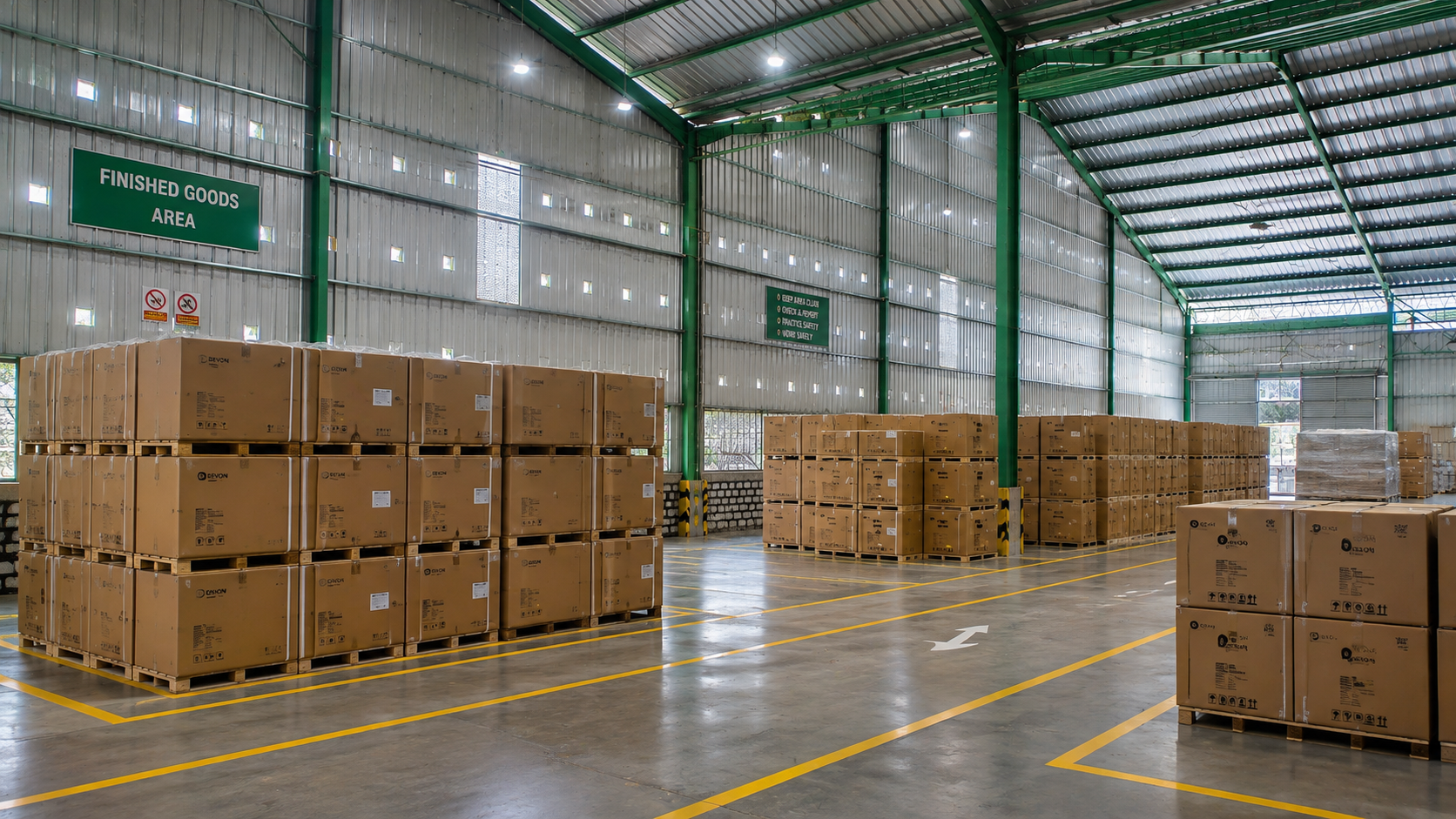
A smooth shipment doesn’t start when the container leaves the port. It starts with proper production control and inspection.
Are you planning to source and purchase furniture from Indonesia? The process may seem simple, from finding a supplier and agreeing on specifications and prices to placing an order and waiting for shipment.
However, before furniture leaves Indonesia, you need to check several aspects, including quality, specifications, quantity, packaging, and loading. Without proper inspection, problems discovered after shipment can lead to additional costs and delays.
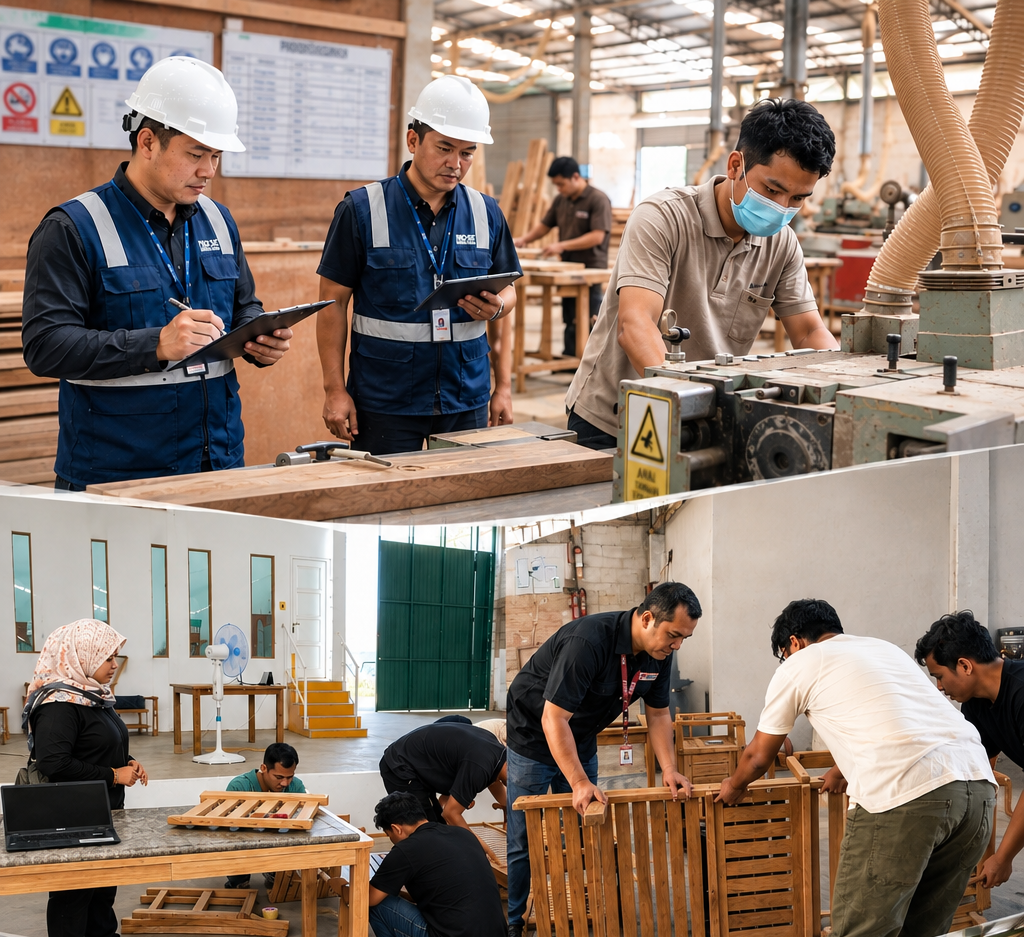
Not every international buyer can be physically present in Indonesia to oversee production process. A trusted local inspection partner can provide on-the-ground support by conducting factory live report, documenting production conditions, preparing detailed quality inspection reports, and monitoring container loading process.
For international furniture buyers, a successful shipment is not only about delivering products on time. Furniture must also meet the agreed specifications, quality standards, quantities, packaging requirements as approved samples.
This is why furniture inspection before shipment plays an important role in international furniture sourcing. By checking products while they are still at the factory, buyers have a better opportunity to identify quality issues and request corrective action before the goods leave Indonesia.
Why Is Furniture Inspection Important Before Shipment?
In furniture sourcing, the earlier a problem is identified, the easier it is to address.
For example, if the finishing of hundreds of furniture units does not match the approved sample, discovering the issue during production gives the supplier an opportunity to correct it before shipment.
However, if the same problem is discovered after the container has arrived at its destination, resolving it can become more complicated. Rework, replacement, additional transportation, re-shipment, and delivery delays may result in unexpected costs.
Therefore, quality inspection for furniture is not simply about finding defects. It is part of a broader quality control and risk management process that helps buyers identify potential problems before they become more costly.
A furniture inspection should be based on the specifications, approved samples, and quality requirements agreed upon with the supplier. Depending on the product and production stage, an inspection may cover materials and components, product dimensions, construction and workmanship, surface and finishing quality, color and appearance, functionality, product quantity, packaging and protection, product labels and markings, also secure container loading. For example, outdoor teak furniture may require additional checks on wood grade, moisture content, construction, sanding, finishing, and dimensional consistency.
Initial Production Check → Production Inspection → Inline Inspection → Final Random Inspection

Initial Production Check
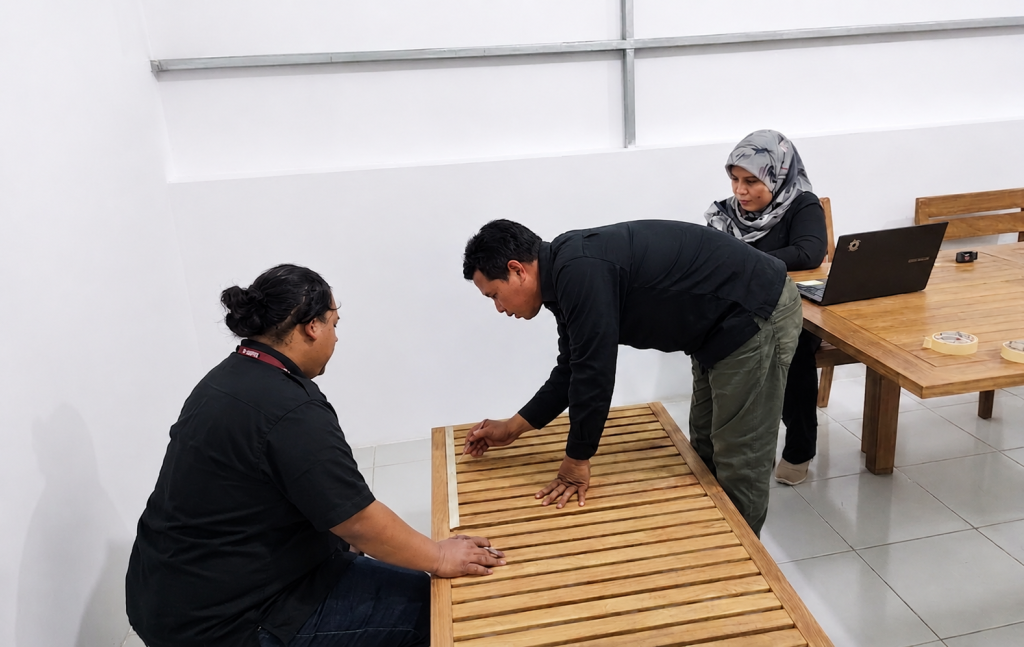
An initial production check takes place before or at the beginning of mass production. The inspection verifies key materials, components, approved samples, dimensions, construction methods, finishing requirements, including several testing (weight test, drop test/packaging test, weather test, etc) and overall production readiness.
Identifying discrepancies at this stage can help prevent the same issue from being repeated across a larger production quantity.
Production Inspection
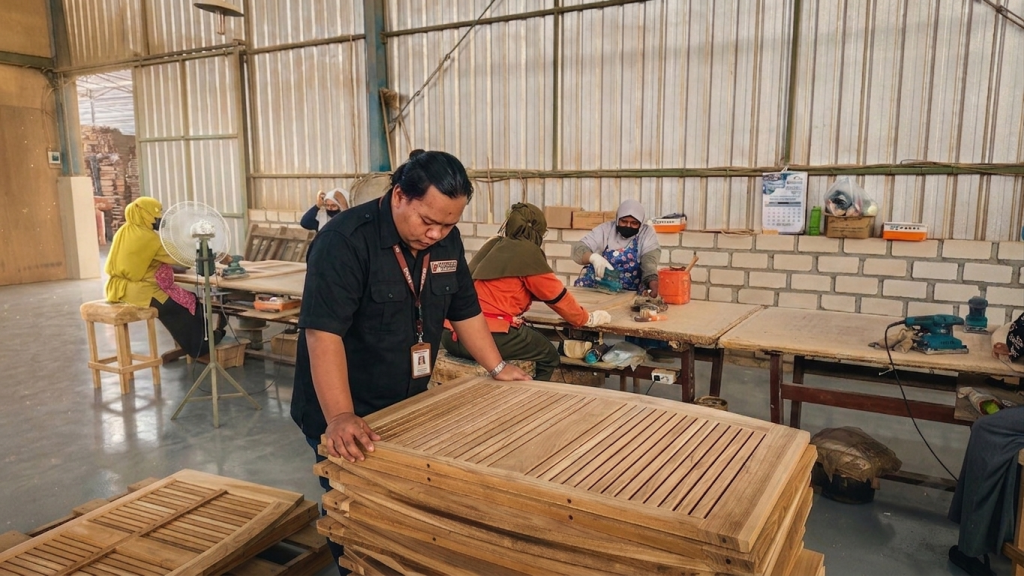
A production inspection is performed while manufacturing is in progress, often when a representative portion of the order has been completed. This inspection can evaluate workmanship, dimensions, construction, materials, finishing, functionality, and production progress. The main advantage is that there is still time for the supplier to implement corrective action before production is completed.
Inline Inspection
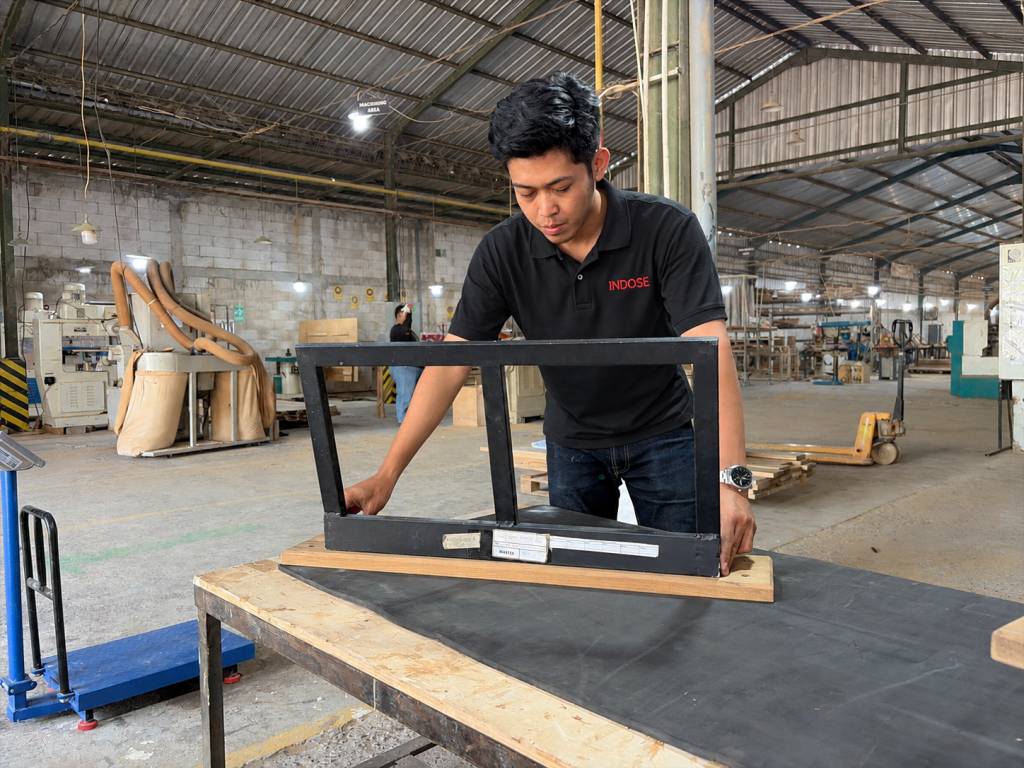
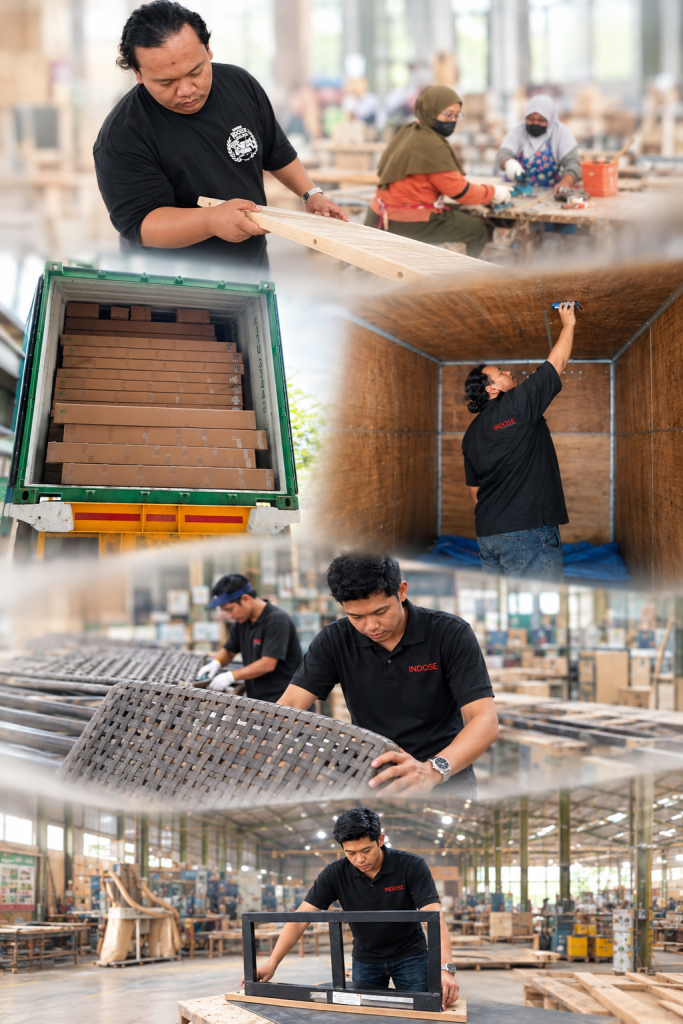
Inline inspection takes place during specific stages of the manufacturing process.Depending on the furniture, inspectors may check cutting, machining, assembly, sanding, finishing, dimensions, and other critical production points. This approach helps identify recurring issues closer to their source and reduces the risk of defects affecting a larger quantity of products.
Final Random Inspection
Final Random Inspection (FRI) is conducted when production is substantially completed and the goods are ready for shipment. The inspection verifies whether the finished furniture meets the agreed requirements, including product appearance, dimensions, workmanship, functionality, quantity, finishing, and packaging. It provides buyers with an important quality checkpoint before shipment. At INDOSE, we will adopt normal standards at ANSI/ ASQC Z1.4 – 2008/ MIL-STD-105E with availability of 100% finished product, 80% packed for FRI process.
Container Loading Inspection
Quality control does not necessarily end when the furniture is packed. A container loading inspection helps verify that the correct products and quantities are loaded into the correct container, properly arranged for transportation, and ensure the container is safe and in proper conditions to keep the goods in dry humidity until arrive to the destinantion.
Checks may include container condition, carton markings, product quantities, packaging condition, loading sequence, cargo arrangement and securing, and container humadity.
How can Imspection help to minimize Loses?
The cost of a furniture defect can extend beyond the value of the defective product itself. Quality problems may result in factory rework, product replacement, additional transportation and shipment cost, delivery delays, customer complaints, project disruption, additional labor and handling costs.
When a problem is identified earlier at the factory, corrective action can usually be coordinated before shipment. Once the furniture has entered international transit, the available solutions may become more complicated and costly. For this reason, furniture inspection should be viewed as a preventive quality control measure rather than simply an additional cost.

How Indose Support Furniture Quality Inspection
INDOSE provides on-the-ground sourcing and quality support for international buyers who source furniture from Indonesia.
Our services can support different stages of the sourcing and supply chain process, including factory audits, furniture quality inspection, production monitoring, final inspection, shipment readiness checks, container loading support and excellent after sales service. The objective is to help buyers identify quality risks earlier, improve production visibility, and ensure that furniture is ready for shipment according to the agreed requirements.
For international buyers who source furniture from Indonesia, a structured inspection process and reliable local support can help reduce quality risks, avoid unnecessary costs, and provide greater confidence before shipment.
Identify issues early. Correct them before shipment. Ship with greater confidence.
If you are looking for trusted furniture quality inspection support in Indonesia, we are ready to assist.
Let us help you turn your vision into a reality built on quality, compliance, and trust.
Contact INDOSE today to discuss your specific sourcing requirements and discover how we can help you find reliable suppliers, elevate your quality control, and simplify your export process.

Let's Connect!
- Semarang, Indonesia
- sales@indose.net
- +62 813-2897-893
Copyright © 2026 INDOSE